Steam Deck vs Switch 2 vs ROG Ally: Which Handheld Should You Buy?
Switch 2, Steam Deck OLED or ROG Xbox Ally? We compare specs, games, battery and 2026 prices to help you pick the right gaming handheld.
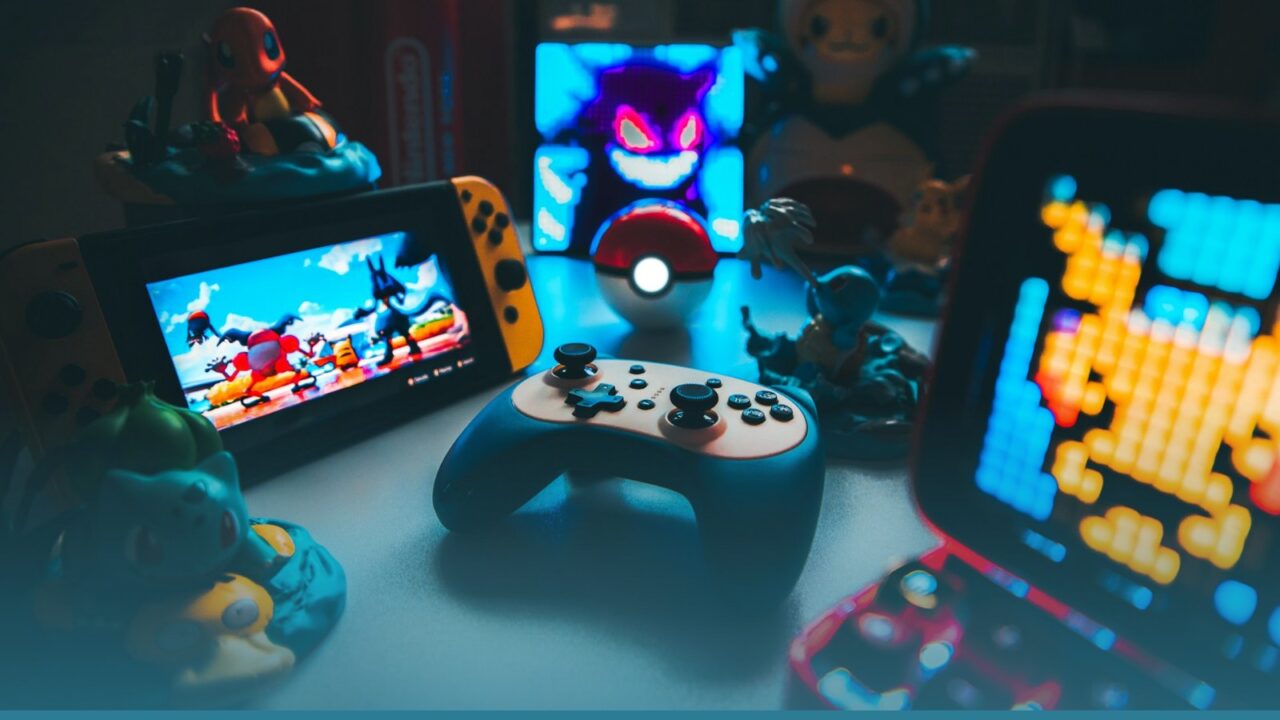
Handheld gaming has never had better options, or more confusing ones. Nintendo’s Switch 2 is the obvious mainstream pick, Valve’s Steam Deck turned PC gaming into something you can play in bed, and ASUS and Microsoft’s ROG Xbox Ally puts a full Windows gaming PC in your hands with an Xbox interface on top.
2026 has also scrambled the maths. A global memory shortage pushed up prices across the industry, and the Steam Deck OLED in particular got a lot more expensive in May. So the answer to “which one should I buy?” is different now from what it was a year ago.
We’ve compared the three on the things that actually matter day to day: the games you can play, how they perform, the screens, battery life and, of course, price.
Pixel, who has spent far too many hours playing handhelds on the ferry to the islands, has one extra test for any of them: will it survive a five-hour crossing to Naxos with battery to spare? Keep that in mind when you get to the battery section.
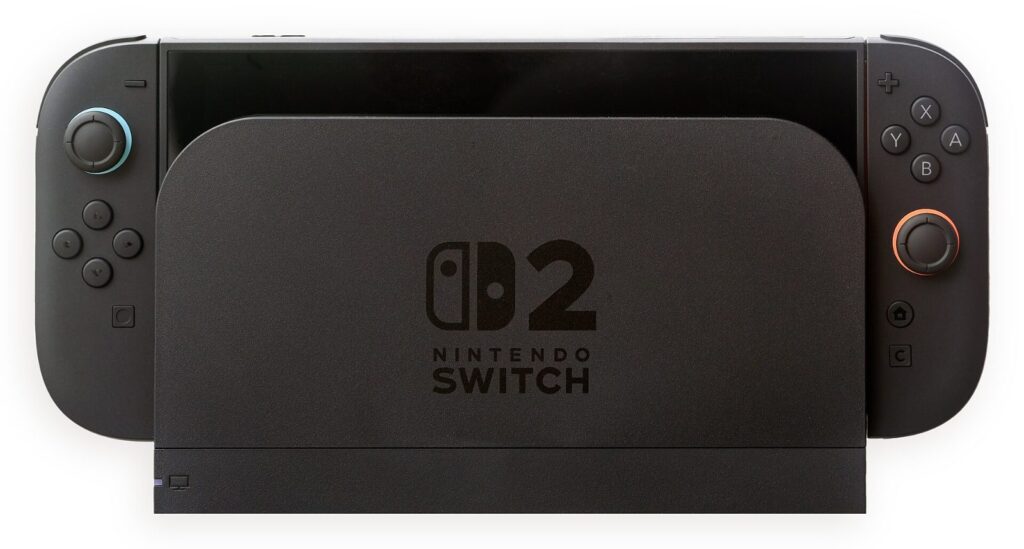
The short answer
- Buy the Nintendo Switch 2 if you want Nintendo’s games, the simplest experience, or a console the whole family can use. It’s also, right now, the best value of the three.
- Buy the Steam Deck OLED if you already have a big Steam library and want the most polished handheld PC experience, and you can live with the higher 2026 price.
- Buy the ROG Xbox Ally (or Ally X) if you want to play everything on PC, including Game Pass and games with anti-cheat that won’t run on the Steam Deck, and you’re comfortable with Windows.
Specs compared
| Nintendo Switch 2 | Steam Deck OLED | ROG Xbox Ally | ROG Xbox Ally X | |
|---|---|---|---|---|
| Screen | 7.9″ LCD, 1080p, up to 120Hz, HDR | 7.4″ OLED, 800p, up to 90Hz, HDR | 7″ IPS, 1080p, 120Hz, VRR | 7″ IPS, 1080p, 120Hz, VRR |
| Processor | Custom Nvidia chip with DLSS | Custom AMD APU (Zen 2, RDNA 2) | AMD Ryzen Z2 A | AMD Ryzen AI Z2 Extreme |
| Memory | 12GB | 16GB LPDDR5 | 16GB LPDDR5X | 24GB LPDDR5X |
| Storage | 256GB + microSD Express | 512GB or 1TB + microSD | 512GB + microSD | 1TB + microSD |
| Operating system | Nintendo | SteamOS (Linux) | Windows 11, Xbox full-screen experience | Windows 11, Xbox full-screen experience |
| TV output | Yes, with the included dock | Yes, via USB-C or dock (sold separately) | Yes, via USB-C | Yes, via USB-C |
| Price (Oct 2026) | €499.99 | €779 (512GB) / €919 (1TB) | €599 at launch | €899 at launch |

Games and ecosystem
This is the most important section, because the hardware matters less than what you can play on it.
Nintendo Switch 2: the exclusives
The Switch 2 is the only way to play new Nintendo games: Mario Kart World, Donkey Kong Bananza, the Pokémon series and everything else coming from Nintendo’s own studios. It also plays almost the entire original Switch library, which is one of the best game libraries ever assembled. Third-party support is far stronger than on the first Switch, with big ports arriving regularly.
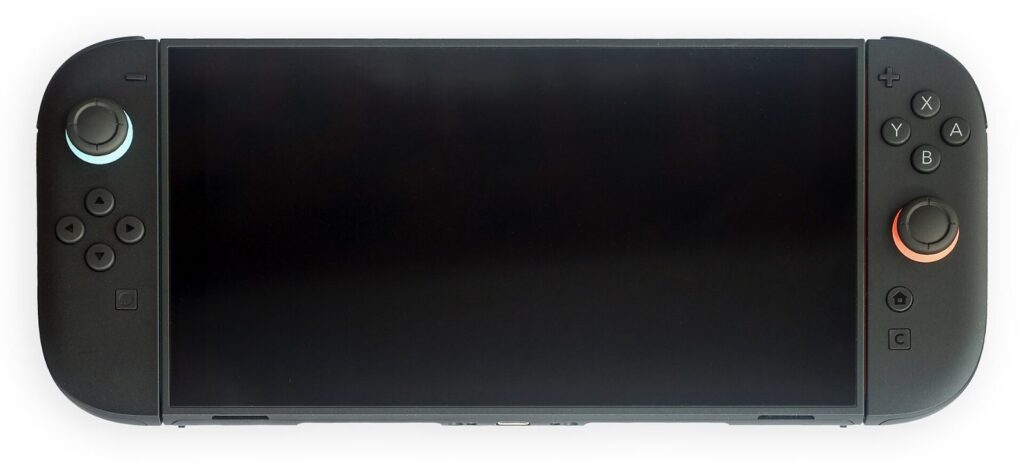
The trade-offs: games are more expensive than on PC, sales are less frequent and less generous, and you’re locked into Nintendo’s online service for multiplayer.
Steam Deck: your Steam library, anywhere
The Steam Deck runs SteamOS, Valve’s Linux-based system, and uses a compatibility layer called Proton to run Windows games. It works remarkably well. Valve’s “Verified” badge tells you which games run perfectly out of the box, and thousands do. If you already own dozens or hundreds of Steam games, the Deck feels like getting all of them again for free.
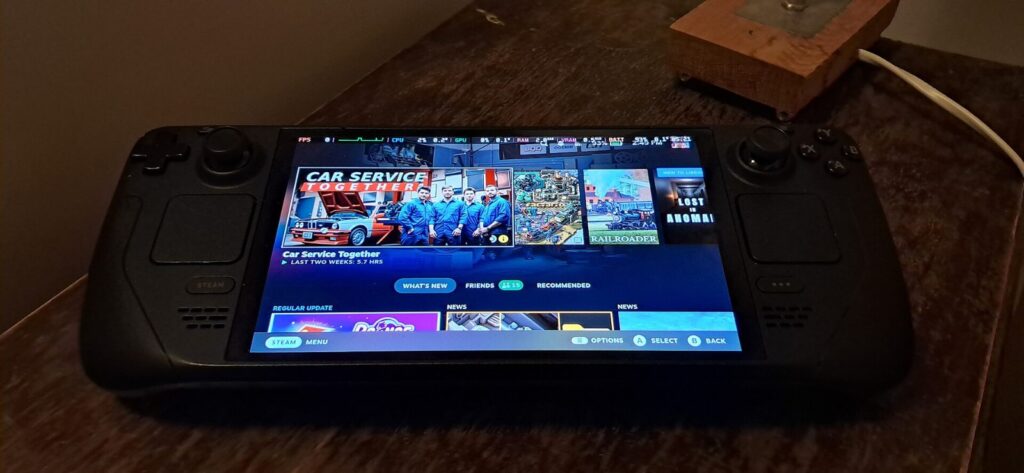
The catch is multiplayer games with strict anti-cheat. Some of the biggest competitive games, including Fortnite and Valorant, simply don’t run on SteamOS. And while you can install other launchers, it takes some tinkering.
Where to get it: Steam
ROG Xbox Ally: everything on PC
The ROG Xbox Ally runs full Windows 11, which means it runs basically every PC game: Steam, Epic, Battle.net, EA, and Xbox Game Pass for PC, which is the big draw. Games with anti-cheat that block the Steam Deck generally work here.
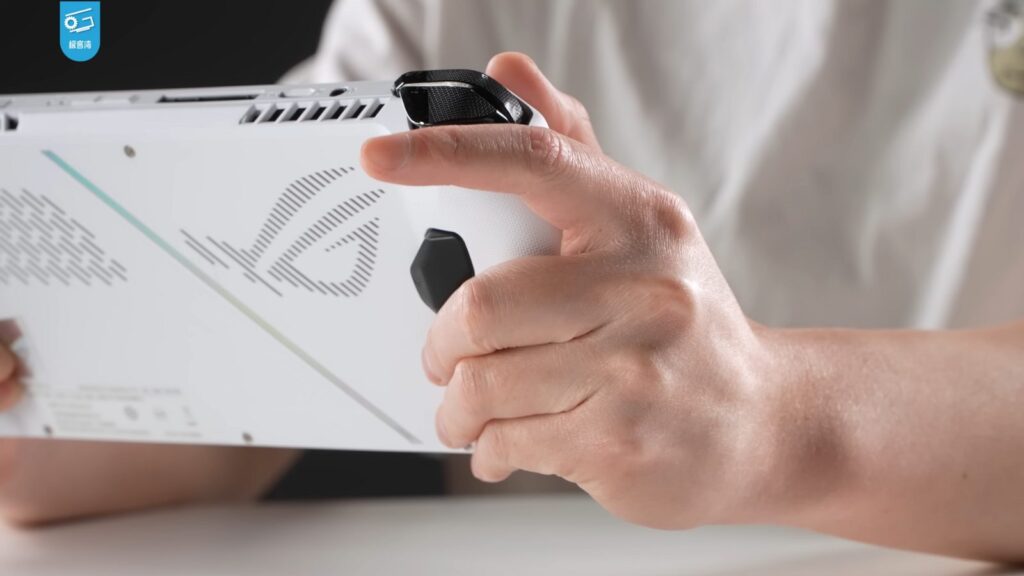
Microsoft’s Xbox full-screen experience hides the Windows desktop behind a controller-friendly interface when you boot up, which makes it feel much more like a console than earlier Windows handhelds did. It’s a real improvement, but Windows still occasionally reminds you that it’s Windows, with updates, pop-ups and the odd settings menu that wants a mouse.
Where to get it: ASUS ROG
Performance
All three are capable of running modern games, but in very different ways.
The Switch 2 has the advantage of being a single, fixed console. Developers optimise for it specifically, and Nvidia’s DLSS upscaling lets games render at a lower resolution and still look sharp on the 1080p screen. In practice, games built for it look and run excellently. Demanding third-party ports vary more.
The Steam Deck OLED uses a chip that’s several years old now. It still runs a huge range of games well at its native 800p resolution, especially indies and older AAA titles, but the newest big releases often need low settings and upscaling to hold 30 to 40 frames per second.
The ROG Xbox Ally’s Z2 A chip is broadly in the Steam Deck’s class, and Windows uses more resources than SteamOS, so don’t expect it to be faster than a Deck. The Ally X is a different story: its Z2 Extreme chip and 24GB of fast memory make it the most powerful handheld of the group by a clear margin, and it handles demanding PC games at higher settings.
Screens
The Steam Deck OLED has the best-looking screen here, even though it has the lowest resolution. OLED means true blacks, vivid colour and excellent HDR, and at 7.4 inches, 800p still looks crisp.
The Switch 2 has the biggest and sharpest screen, a 7.9-inch 1080p LCD running at up to 120Hz. It’s bright and smooth, though blacks look greyer than on OLED.
Both ROG Xbox Ally models use a 7-inch 1080p IPS panel at 120Hz with variable refresh rate (VRR), which smooths out uneven frame rates, a real benefit on PC where performance can bounce around. (In October 2026 ASUS also released the Ally X20, which adds an OLED screen at a much higher price.)
Battery life and comfort
Battery life depends heavily on what you play. Across all three, a demanding 3D game will get you roughly two to three hours, while lighter games and indies can stretch far longer.
- The Steam Deck OLED is the most efficient of the PC handhelds, partly because it runs at a lower resolution. Valve quotes 3 to 12 hours.
- The Switch 2 sits around 2 to 6.5 hours, by Nintendo’s own figures. Its games are tuned to the hardware, so battery life is predictable.
- The ROG Xbox Ally X has the biggest battery of the group (80Wh), which it needs, because the more powerful chip draws more power.
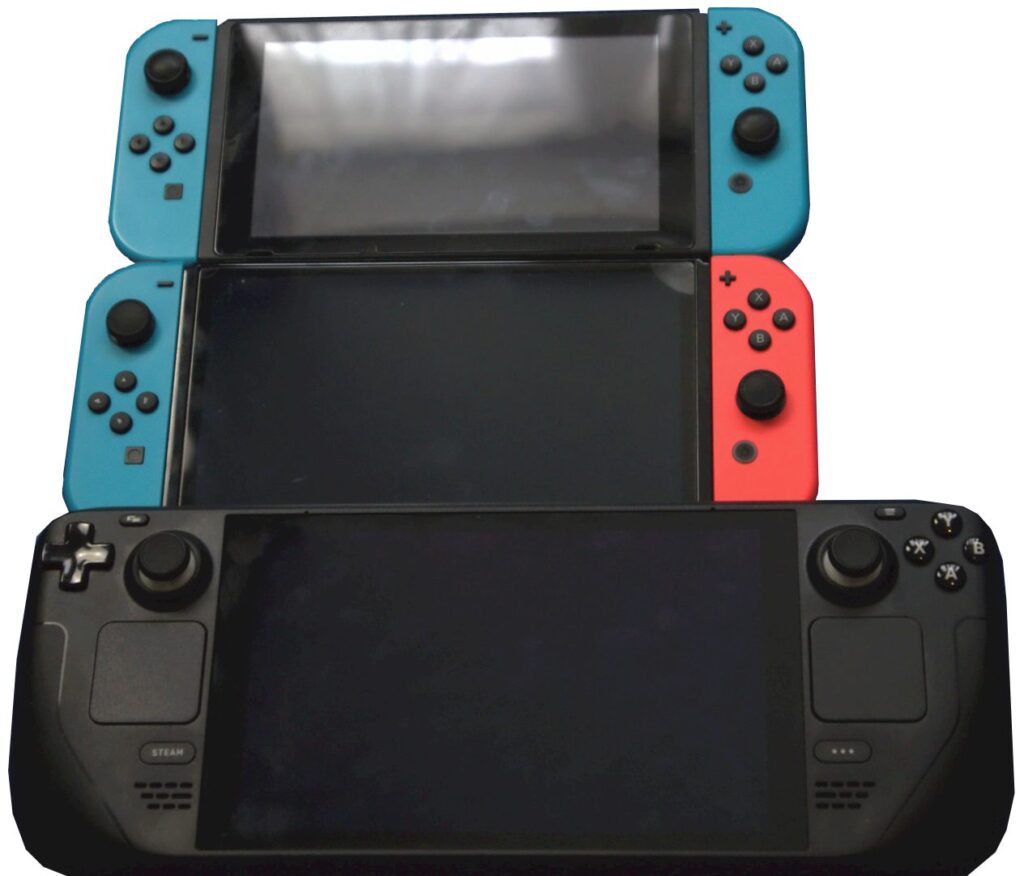
For comfort, the ROG Ally models win. Their deep, Xbox-style grips are the best on any handheld, and they distribute the weight well. The Steam Deck is the widest of the three, but its two trackpads make mouse-driven PC games (strategy, older RPGs) far more playable than on any other handheld. The Switch 2 is the lightest, and its detachable Joy-Con 2 controllers (which can also work as a mouse) give you options no PC handheld can match.
Price and value in 2026
This is where things have changed the most.
The Switch 2 launched at €469.99 and went up to €499.99 in Europe on 1 September 2026, a relatively small increase. With 256GB of storage, a dock in the box and detachable controllers, it’s the best value of the three right now.
The Steam Deck OLED took the biggest hit. In May 2026, Valve raised the price of the 512GB model from €549 to €779, and the 1TB model to €919, citing memory and storage costs. The cheaper LCD model is no longer made, though Valve sometimes sells certified refurbished units. At €779, the Deck is now more expensive than the base ROG Xbox Ally’s launch price, which is a strange position for the handheld that used to be the budget choice.
The ROG Xbox Ally launched at €599 and the Ally X at €899 in October 2025. Prices vary a lot between retailers, so shop around.
Keep the cost of games in mind too. PC games are frequently on sale on Steam and other stores, and Game Pass gives the ROG Ally access to a big rotating library for a monthly fee. Nintendo games rarely drop much in price. Over a few years, a PC handheld can work out cheaper even if the device costs more.
Which handheld should you buy?
For most people, especially families: the Nintendo Switch 2. It’s the easiest to use, it has games you can’t get anywhere else, it doubles as a home console, and after the 2026 price changes it’s the best value.
For PC gamers with a big Steam library: the Steam Deck OLED. It’s still the most refined handheld PC, with the best screen and battery life, but at the new price it’s harder to recommend unless you’ll really use that library.
For people who want every PC game, or play on Game Pass: the ROG Xbox Ally X. It’s expensive, but it’s the most powerful option and runs things the Deck can’t. The base ROG Xbox Ally is a reasonable alternative if you mainly play lighter games.
Frequently asked questions
Is the Switch 2 more powerful than the Steam Deck?
In handheld mode they’re in a similar range, but the Switch 2 has a newer graphics architecture and DLSS upscaling, and its games are optimised specifically for it. Docked, the Switch 2 can output up to 4K to a TV, which the Steam Deck isn’t designed to do for modern games.
Can the Steam Deck play Game Pass?
Only through cloud streaming (Xbox Cloud Gaming in a browser), and you need a good internet connection. If Game Pass for PC matters to you, the ROG Xbox Ally is the better choice.
Is the Steam Deck still worth it in 2026?
If you have a large Steam library and value the OLED screen and battery life, yes. But after the May 2026 price increase it’s no longer the cheap option, so compare it carefully with the alternatives.
Will there be a Steam Deck 2?
Valve has said it won’t release a successor until it can offer a significant jump in performance without hurting battery life. There’s no official announcement yet, so we wouldn’t wait for one.
The bottom line
There’s no single best handheld, just the best one for the games you play. Pick the platform first, then the device: Nintendo games mean Switch 2, a big Steam library means Steam Deck, and Game Pass or “everything on PC” means ROG Xbox Ally. Looking for something to go with it? Our guide to the best gaming gifts under €50 has a few accessories worth adding.