PS5 vs PS5 Pro: Which Should You Buy?
PS5 vs PS5 Pro: performance, graphics, storage and 2026 prices compared, to help you decide if the Pro is worth the extra money or the PS5 is enough.
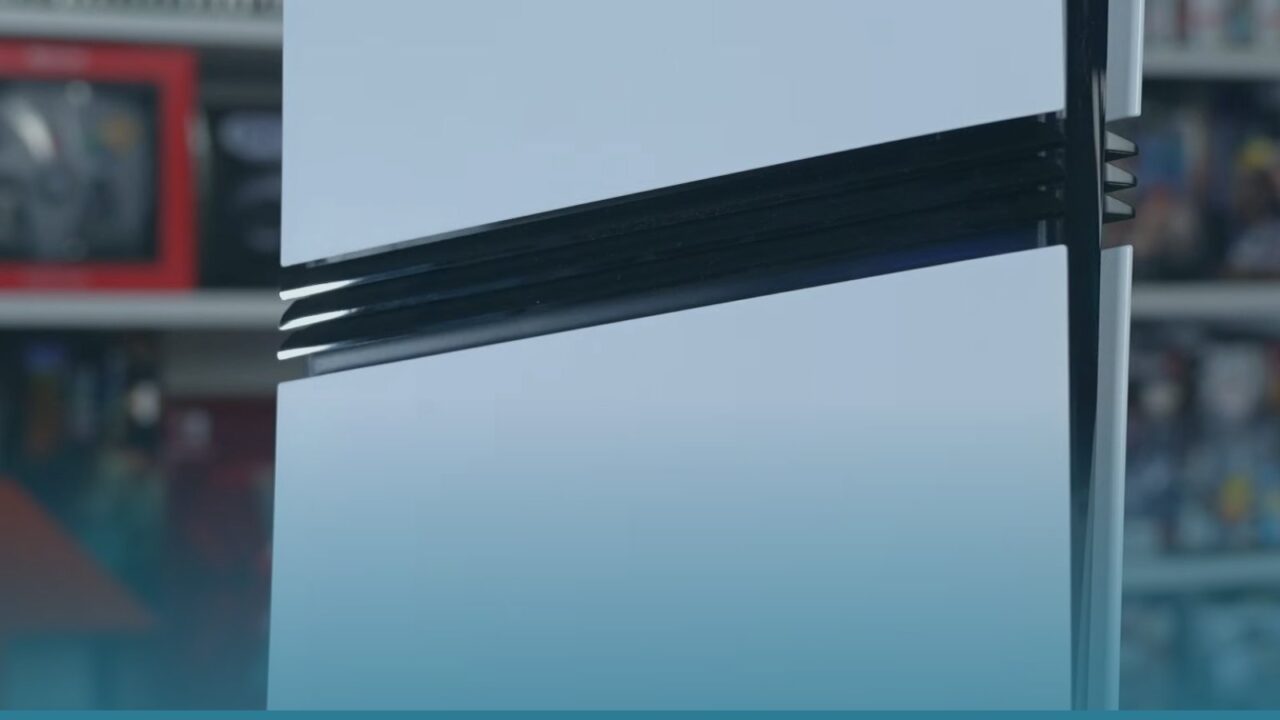
Buying a PlayStation used to be simple: there was one console, and you bought it. Now there are three: the standard PS5 with a disc drive, the cheaper Digital Edition without one, and the PS5 Pro, which promises better graphics at a much higher price.
2026 has made the choice harder. Sony raised prices across Europe in April, and the PS5 Pro now costs close to €900. So is it worth it? Here’s an honest comparison of what you actually get for your money.
The short answer
- Buy the standard PS5 if you play on a 1080p TV, mostly play single-player games, or want to keep costs down. It runs every PS5 game, and runs them well.
- Buy the PS5 Pro if you have a good 4K TV, care a lot about image quality and frame rates, and the extra cost doesn’t hurt.
- Choose disc or digital based on whether you buy physical games. Digital is cheaper upfront, but you lose the second-hand and lending market.
Prices in 2026
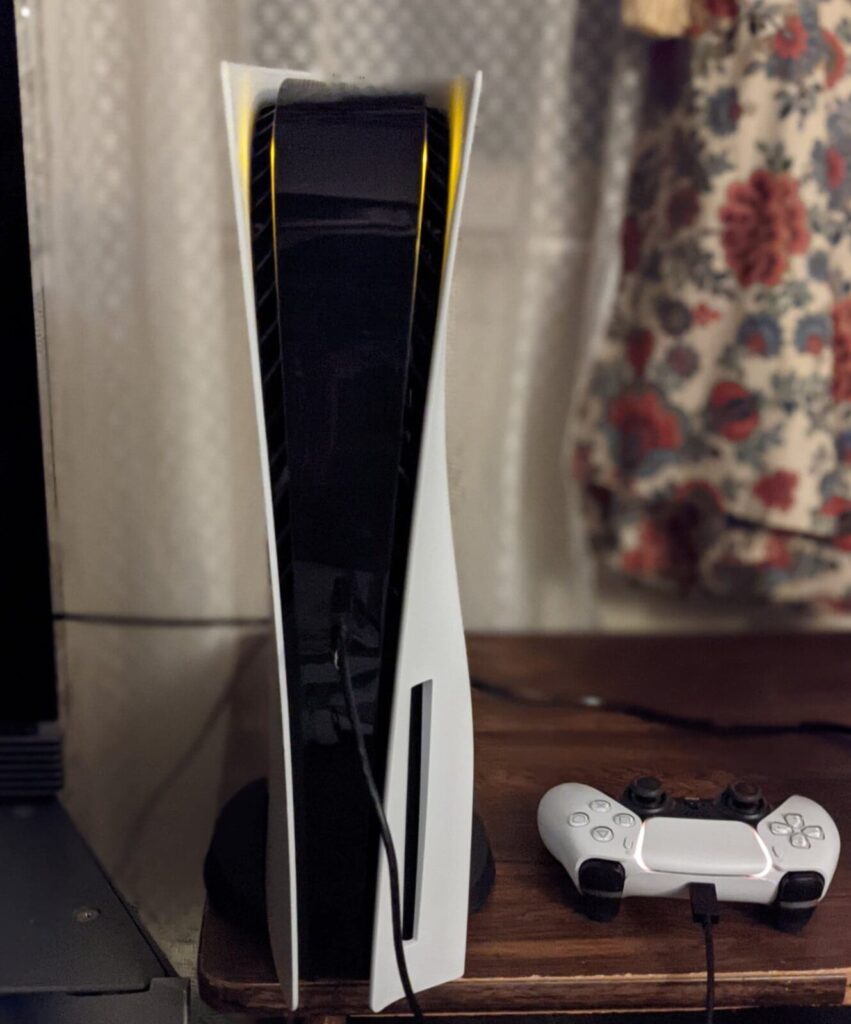
Since 2 April 2026, Sony’s recommended prices in Europe are:
| Model | Price |
|---|---|
| PS5 Digital Edition | €599.99 |
| PS5 (with disc drive) | €649.99 |
| PS5 Pro | €899.99 |
Greek retailers often sell below these prices, especially around Black Friday, so compare a few shops before you buy.
The Pro costs €250 more than the standard PS5 with a disc drive, and €300 more than the Digital Edition. Sony linked the increases to economic pressures, while industry coverage pointed to the global memory chip shortage that has pushed up the price of almost all hardware in 2026.
What does the PS5 Pro actually improve?
The Pro doesn’t play different games. Every game runs on both consoles. What changes is how good they look and how smoothly they run.
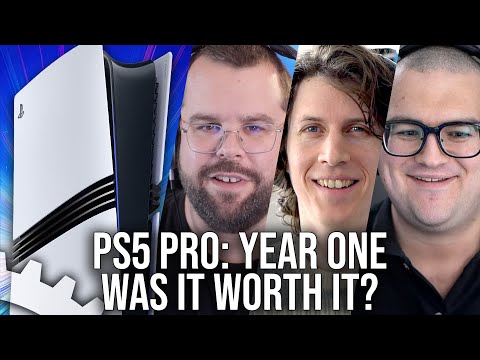
- A more powerful GPU. Sony says the Pro renders up to 45% faster than the standard PS5. In practice, that means higher resolutions and more stable frame rates.
- Better ray tracing. Ray tracing (realistic lighting, reflections and shadows) runs much faster on the Pro.
- PSSR upscaling. PlayStation Spectral Super Resolution is an AI-based upscaler, similar to Nvidia’s DLSS, that makes games look sharper at 4K without the full performance cost.
- More storage. The Pro has a 2TB SSD, double the standard PS5’s.
- Wi-Fi 7. Faster wireless networking, useful if your router supports it.
The biggest practical difference is in games’ Performance modes. On a standard PS5, many games make you choose between a sharp “Quality” mode at 30fps and a blurrier “Performance” mode at 60fps. On the Pro, enhanced games often give you close to the best of both: 60fps with image quality near the Quality mode.
What the PS5 Pro doesn’t do
- It doesn’t include a disc drive. If you want to play physical games, you need to buy the disc drive add-on separately, which adds to the already high price.
- It doesn’t improve every game. The biggest gains come in games with a “PS5 Pro Enhanced” label. Others may see small improvements or none at all.
- It doesn’t help much on a 1080p TV. The Pro’s advantages are mostly about 4K image quality. On a 1080p screen the difference is much smaller.
Who should buy the PS5 Pro?
You’ll get real value from the Pro if:
- You have a good 4K TV, ideally with 120Hz and VRR support.
- You play a lot of big, graphically demanding games: open-world adventures, racing games, shooters.
- You’re the kind of player who notices (and cares about) sharpness and frame rate.
- You want the best PlayStation experience for the next several years.
Where to get it: PlayStation
Who should buy the standard PS5?
The standard PS5 is the better choice if:
- You play on a 1080p TV or monitor.
- You mainly play indie games, older games or less demanding titles.
- You share the console with family and just want it to work.
- You’d rather spend the extra €250 to €300 on games, a second controller or PS Plus.
Where to get it: PlayStation
Disc or digital?
The Digital Edition costs €50 less and is the same console without a disc drive. That’s a good deal if you buy everything from the PlayStation Store anyway. But physical games are often cheaper over time: you can find them on sale in shops, buy them second-hand, lend them to friends and sell them when you’re done. If you buy a lot of games, the disc model can pay for itself.
The disc drive is also available as a separate add-on for both the Digital Edition and the Pro, if you change your mind later.
What about PS VR2 and accessories?
Both consoles support PS VR2, the DualSense controller and the PlayStation Portal remote player. On the Pro, some VR2 games get visual improvements too.
Our verdict
For most people, the standard PS5 is the right choice. It plays every game, it plays them well, and the money you save buys a lot of games. The PS5 Pro is a fantastic console for enthusiasts with a great 4K TV, but at nearly €900 it’s a luxury, not a necessity.
If you’re also weighing up subscriptions, our PS Plus vs Game Pass comparison explains which PS Plus tier is worth it.
Frequently asked questions
Is the PS5 Pro worth it in 2026?
Only if you have a good 4K TV and care about image quality. For most players on 1080p screens, the standard PS5 is better value.
Does the PS5 Pro play all PS5 games?
Yes. Every PS5 and PS4 game that runs on a standard PS5 runs on the Pro, and “PS5 Pro Enhanced” games look and run better.
Does the PS5 Pro have a disc drive?
No. You need to buy the disc drive add-on separately to play physical games.
Will there be a PS6?
Sony hasn’t given a release date for a PS6. The PS5 generation still has plenty of life in it, so we wouldn’t wait.