D&D Classes Explained: Which One Should You Play?
All twelve D&D classes explained in plain language: what each one does, how hard it is to play, and which class suits you best for your first character.
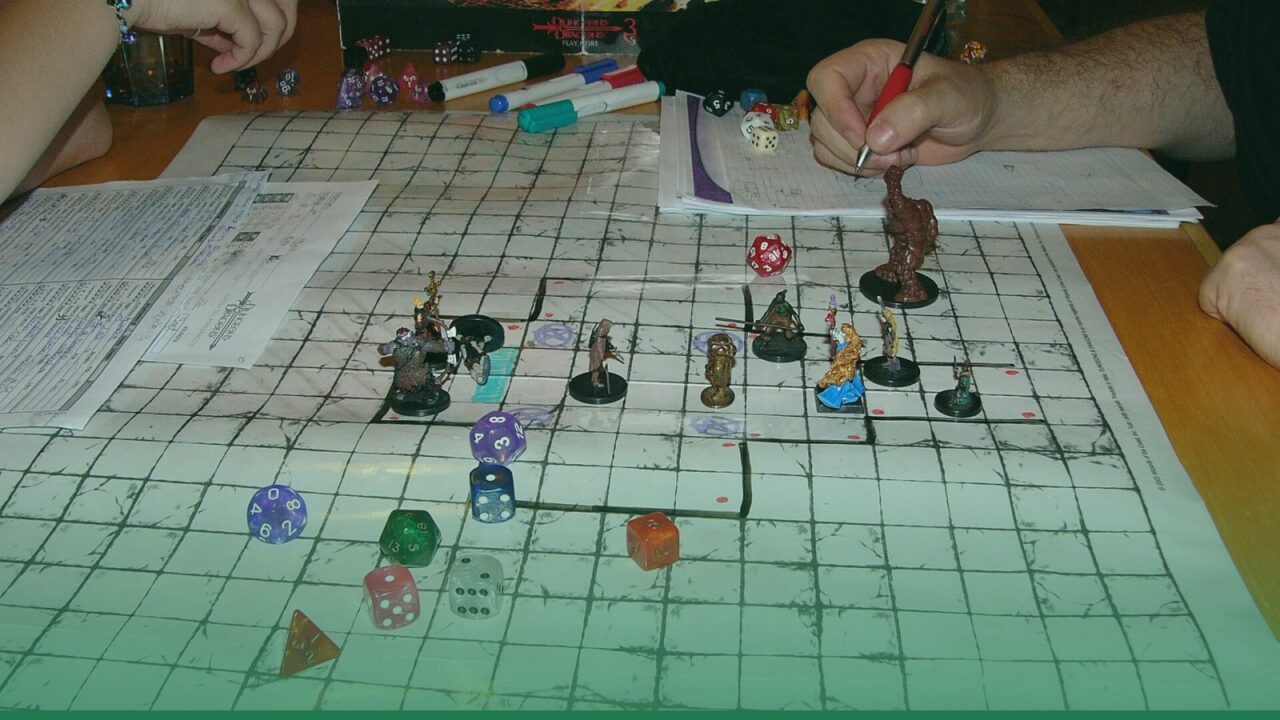
Picking a class is the biggest decision you make when you create a Dungeons & Dragons character. Your class decides what you’re good at, how you fight, whether you cast spells and, honestly, a lot of how much fun you’ll have at the table.
The 2024 Player’s Handbook has twelve classes, and every one of them can be played well by a beginner. Some are just more forgiving than others. Below, we explain each class in plain language, rate how complicated it is, and help you pick the right one for your first character. New to the game itself? Start with our How to Play D&D: A Complete Beginner’s Guide.
D&D classes at a glance
| Class | Role | Main ability | Hit die | Complexity |
|---|---|---|---|---|
| Barbarian | Tough melee fighter | Strength | d12 | Easy |
| Bard | Support, magic, talking | Charisma | d8 | Medium |
| Cleric | Healer, divine caster | Wisdom | d8 | Medium |
| Druid | Nature magic, shapeshifter | Wisdom | d8 | Hard |
| Fighter | Weapons expert | Strength or Dexterity | d10 | Easy |
| Monk | Fast martial artist | Dexterity and Wisdom | d8 | Medium |
| Paladin | Holy warrior | Strength and Charisma | d10 | Medium |
| Ranger | Hunter, archer, tracker | Dexterity and Wisdom | d10 | Medium |
| Rogue | Sneaky, skilled, precise | Dexterity | d8 | Easy |
| Sorcerer | Natural-born spellcaster | Charisma | d6 | Medium |
| Warlock | Caster with a patron | Charisma | d8 | Medium |
| Wizard | Scholar of magic | Intelligence | d6 | Hard |
The hit die tells you how tough a class is: bigger dice mean more hit points. In the 2024 rules, every class chooses its subclass (a specialisation like “Champion” for Fighters or “Thief” for Rogues) at level 3.
The martial classes: hit things, take hits
Fighter
The Fighter is the master of weapons and armour, and the best class for a first character. Your turn is clear (hit the enemy, ideally twice once you level up), you’re tough enough to survive mistakes, and you get a few tricks like Second Wind to heal yourself and Action Surge for a burst of extra actions. Fighters can be sword-and-board knights, archers or duelists, so there’s room to make one your own.
Play a Fighter if: you want to learn the game without juggling lots of options.
Barbarian
The Barbarian is all about rage. A couple of times a day (more as you level), you fly into a rage that makes you hit harder and shrug off damage. Barbarians have the most hit points of any class and are incredibly fun to play: kick the door down, charge in, roll a lot of dice.
Play a Barbarian if: you want to be the toughest person in the room and keep things simple.
Rogue
Rogues are sneaky, skilled and deadly when they catch an enemy off guard. Their signature move, Sneak Attack, adds a pile of extra damage once per turn when the conditions are right. Outside combat, Rogues are the party’s experts at picking locks, spotting traps, scouting ahead and talking their way out of trouble.
Play a Rogue if: you like being clever, sneaky and useful in every kind of scene.
Monk
Monks are martial artists who fight with their fists and feet and move absurdly fast. They use a resource (Focus Points) to power special moves like extra strikes or dodging. Monks are a lot of fun but need you to manage that resource and stay mobile.
Play a Monk if: you want to be fast, acrobatic and different from a standard warrior.
The half-casters: weapons plus magic
Paladin
A holy warrior bound by a sacred oath. Paladins wear heavy armour, swing big weapons, heal their friends with a touch and can pour magical energy into their attacks with Divine Smite for huge bursts of damage. They’re tough, versatile and very popular.
Play a Paladin if: you want to be a heroic front-liner with a bit of magic.
Ranger
Rangers are hunters and trackers, usually with a bow, who mix weapon skill with nature magic. In the 2024 rules they lean heavily on the spell Hunter’s Mark to deal extra damage to a chosen target. They’re great explorers and strong in combat.
Play a Ranger if: you want to be the archer who knows the wilderness better than anyone.
The full casters: masters of magic
Cleric
Clerics are channels for the power of a god. They’re known as healers, but that’s only part of it: depending on their domain, Clerics can wear heavy armour, blast enemies with radiant magic or bend reality with powerful spells. Every party is happy to have one.
Play a Cleric if: you like supporting your friends while still having plenty of power yourself.
Bard
Bards use music, words and charm to make magic. They’re the ultimate support class, inspiring allies with Bardic Inspiration dice, and they’re excellent at talking to people. Bards also learn a wide range of spells and skills, so they can fill almost any gap in the party.
Play a Bard if: you love roleplay, talking to NPCs and helping your friends shine.
Warlock
A Warlock has made a deal with a powerful patron: an archfey, a fiend, a great old one or something similar. Warlocks have fewer spell slots than other casters, but those slots come back after a short rest, and their signature attack spell, Eldritch Blast, is one of the best in the game. They come with a story built in.
Play a Warlock if: you want a strong, simple-to-use caster with a juicy backstory.
Sorcerer
Sorcerers are born with magic in their blood, from a dragon ancestor, wild chaotic energy or something stranger. They know fewer spells than Wizards but can twist them with Metamagic, making them reach further, hit harder or cast two at once. They’re flashy and fun.
Play a Sorcerer if: you want to be the one throwing the biggest fireballs.
Wizard
The Wizard learns magic through study and has the biggest selection of spells in the game, recorded in a spellbook. That makes Wizards incredibly powerful and versatile, but also the hardest class to play well: you need to choose and prepare the right spells every day, and you have the fewest hit points of anyone.
Play a Wizard if: you love options, planning and solving problems with exactly the right spell.
Druid
Druids are guardians of nature who cast powerful spells and can transform into animals with Wild Shape. They can be healers, blasters or a bear, sometimes in the same fight. That flexibility makes them one of the most complex classes to learn.
Play a Druid if: you like nature, transformation and having lots of options.
What is the best D&D class for beginners?
If you want the easiest experience, pick a Fighter, Barbarian or Rogue. Each has a clear role and a simple turn, and all three are tough or slippery enough to survive a few mistakes.
If you want to cast spells from day one, the Warlock is the friendliest caster: few spells to track, and Eldritch Blast is always a good choice. A Cleric is another great option, because you’ll always have something useful to do.
The truth is that there’s no wrong choice. A class you’re excited about will always be more fun than the “optimal” one.
Quick quiz: which class should you play?
- I want to hit things and not think too hard. Barbarian or Fighter.
- I want to be sneaky and clever. Rogue.
- I want to help my friends. Cleric or Bard.
- I want to be a holy knight. Paladin.
- I want to cast big spells. Sorcerer or Wizard.
- I want a cool backstory with a dark bargain. Warlock.
- I want to turn into a bear. Druid.
- I want to be the archer who lives in the woods. Ranger.
- I want to kick people really, really fast. Monk.
Frequently asked questions
How many classes are there in D&D?
The 2024 Player’s Handbook has twelve classes. Other books add more, like the Artificer.
Can you change your class later?
You can multiclass, taking levels in a second class as you level up, if your DM allows it. Many DMs will also let a new player rebuild their character after a session or two if the class isn’t working for them.
What is the strongest D&D class?
Wizards and Clerics are often considered the most powerful at high levels, but at the levels most campaigns are played, every class is strong in its own way. Pick for fun, not power.
Next steps
Picked a class? Take your new character into a game. If you’re thinking of running one yourself, read How to Run Your First D&D Session as Dungeon Master.