The Best Board Games for Beginners
New to board games? These are the easy-to-learn games we put on the table for friends who've never played, from 15-minute fillers to a first strategy game.
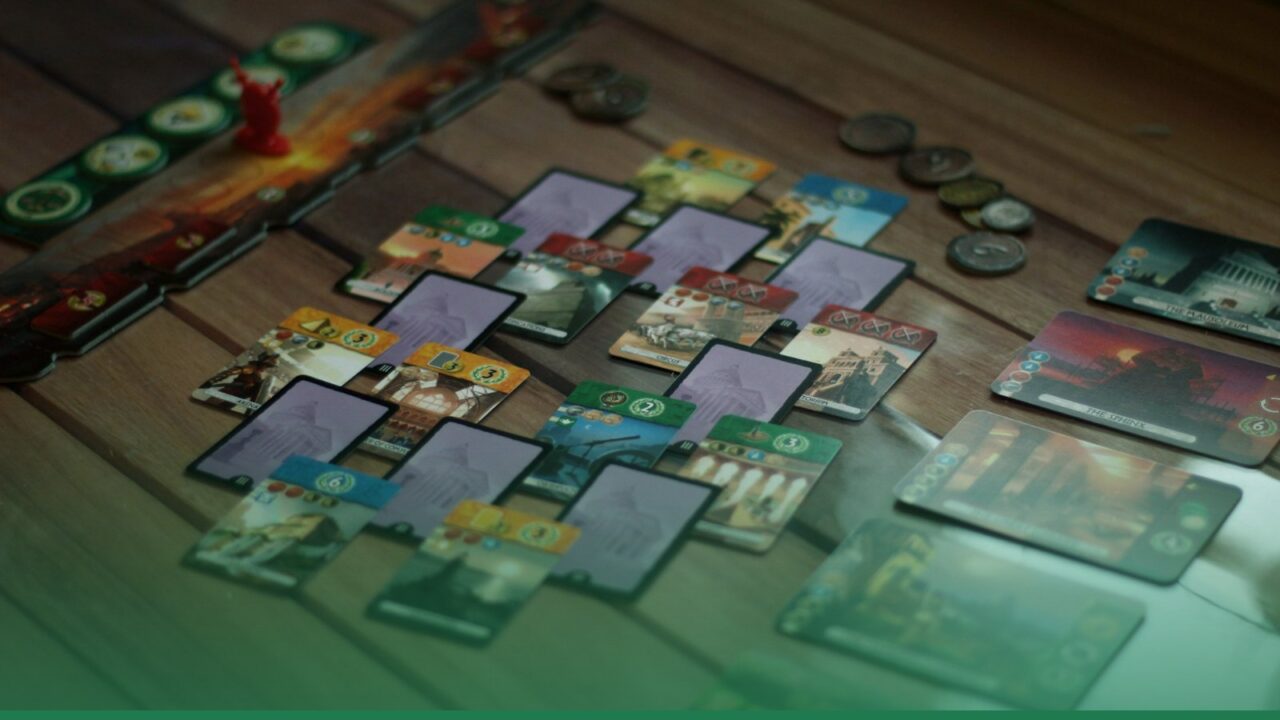
Everyone has that one friend who says “I’m not really a board game person” and then, two hours later, refuses to go home until they win a rematch. The trick is picking the right first game. Get it wrong and you’re explaining rules for forty minutes while everyone checks their phone. Get it right and you’ve made a convert.
This list is the stuff we actually reach for when someone new sits down at the table. None of these take more than five minutes to explain, most of them are done in under an hour, and every single one is still fun for people who’ve been playing for years. That last part matters. A beginner game that bores the experienced players at the table isn’t a good beginner game.
Rook, who teaches more games at our table than the rest of us put together, has a favourite convert: a flatmate who swore board games were “for kids”. One round of Ticket to Ride later it was past midnight, the two of them were fighting over the ferry route to Athina on the Europe map, and the rematch was already booked for the next evening.
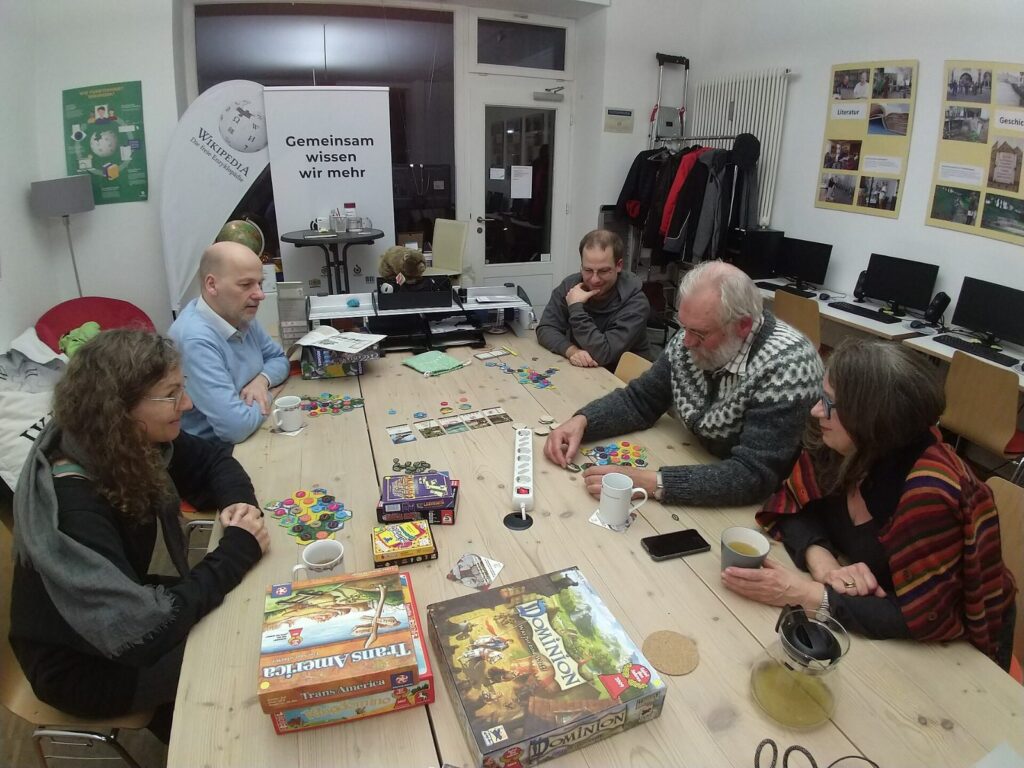
What makes a board game good for beginners?
Before the list, a quick word on how we picked. A good gateway game (that’s what the hobby calls them) usually ticks most of these boxes:
- You can explain it in five minutes. If the rulebook needs a second read, it’s not a first game.
- Your turn is simple. One or two choices, not twelve. New players freeze when they have too many options.
- Nobody gets knocked out. Sitting and watching for half an hour is the fastest way to lose a new player.
- It looks good on the table. Sounds shallow, but colourful pieces pull people in before you’ve said a word.
- There’s a reason to play again. The best ones make you think “ok, next time I’ll try that” as soon as you finish.
The best board games for beginners
1. Ticket to Ride
Players: 2 to 5 · Time: 30 to 60 minutes · Age: 8+
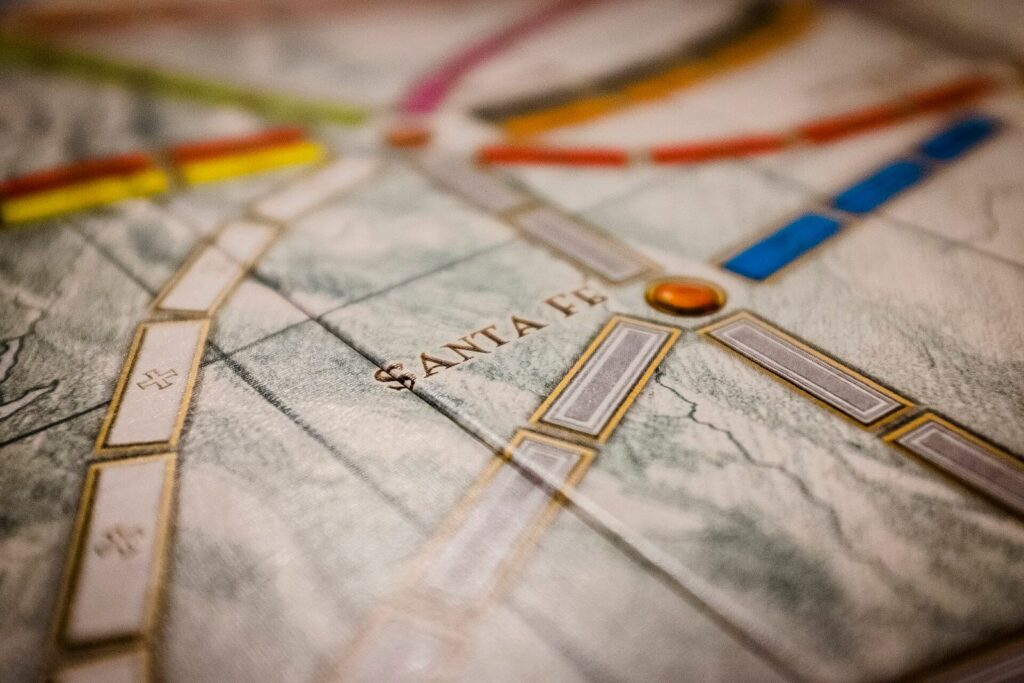
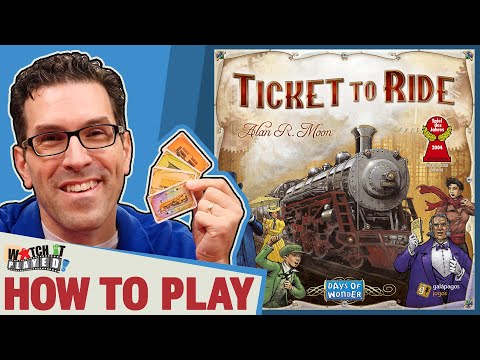
If we could only keep one game on this list, it would be Ticket to Ride. You collect coloured train cards and spend them to claim railway routes between cities, trying to connect the destinations on your secret ticket cards. That’s it. That’s the whole game.
What makes it brilliant is how the tension sneaks up on you. The first few turns feel relaxed, then someone grabs the one route you desperately needed and the whole table groans. It’s competitive without being mean, and you’ll see people who swore they don’t like games leaning over the map plotting their next move. The Europe version adds a couple of extra ideas and is a great second step once you’ve played the original.
2. Carcassonne
Players: 2 to 5 · Time: 35 to 45 minutes · Age: 7+
Draw a tile, place it next to the others so the edges match, and maybe drop one of your little wooden people (everyone calls them meeples) on a road, city or field to score it later. Over the game you’re building a medieval French countryside together, one square at a time.
It’s calm, it’s tactile, and it scales nicely from a chill two-player game to a cut-throat five-player one where people fight over who gets to finish the big city. Tip for teaching: leave the farmer rules out for the first game. They’re the only fiddly bit, and the game works fine without them.
3. Azul
Players: 2 to 4 · Time: 30 to 45 minutes · Age: 8+
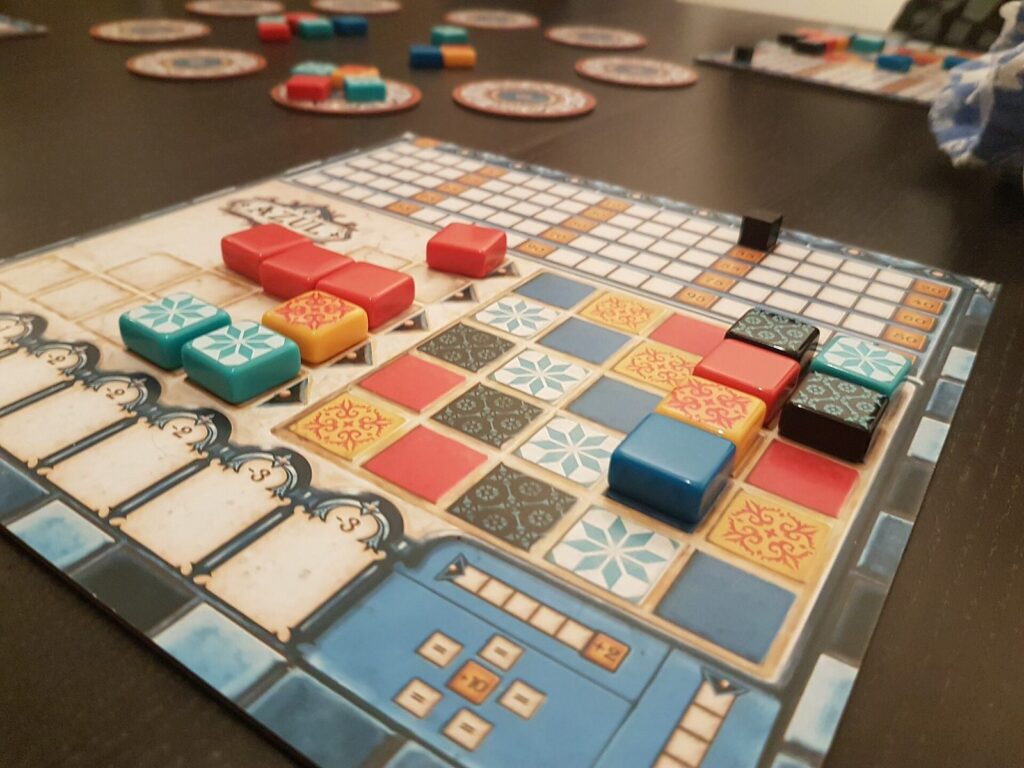
Azul is the one that wins people over before you’ve even opened the rulebook. The tiles look and feel like chunky sweets, and the goal is to decorate a palace wall with them. Each turn you take all the tiles of one colour from a display, and anything you can’t use smashes on the floor and costs you points.
It’s a puzzle at heart, and it’s sneakier than it looks. Half the fun is noticing that the tiles you leave behind will force someone else to take a pile they really don’t want. Great for couples, great for families, and gorgeous to look at.
4. Kingdomino
Players: 2 to 4 · Time: 15 to 20 minutes · Age: 8+
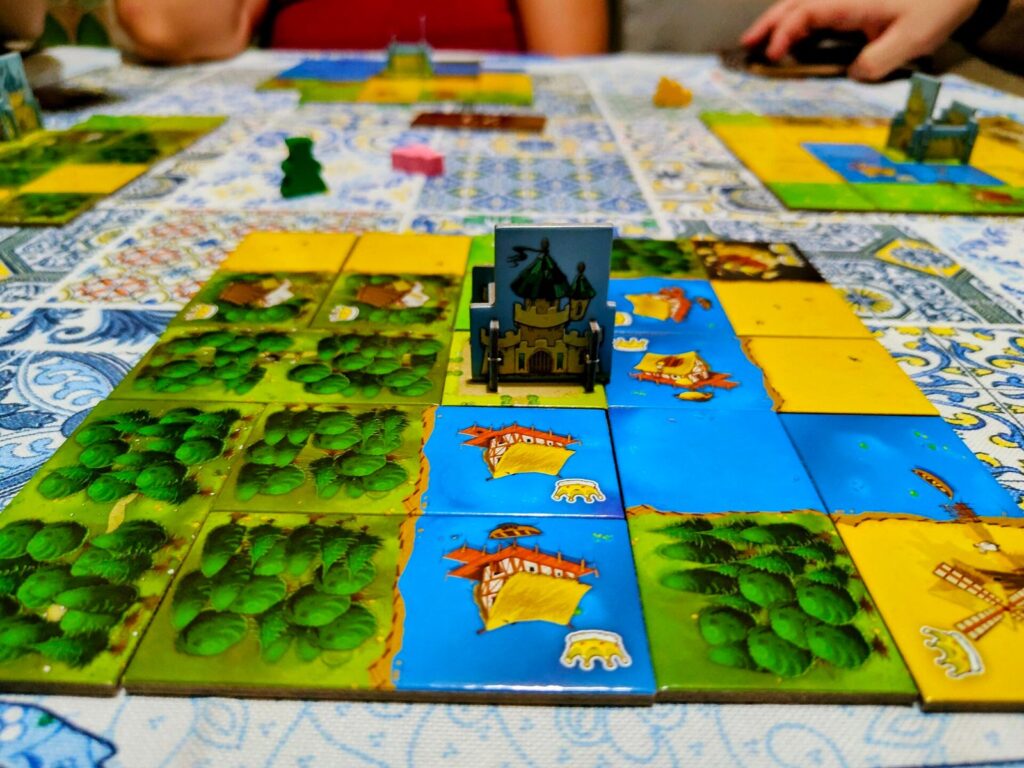
Picture dominoes, except each half is a type of land (forests, lakes, mines) and you’re building a little five-by-five kingdom. Bigger connected areas score more, especially if they have crowns on them.
The clever bit is the draft: picking a really good tile means you pick last next round. Kingdomino is so quick that you’ll almost always play it twice, and it’s one of the few games that works equally well with kids and with adults who’ve had a long day. If someone says they only have twenty minutes, this is your answer.
5. Codenames
Players: 4 to 8 (works with more) · Time: 15 minutes · Age: 14+
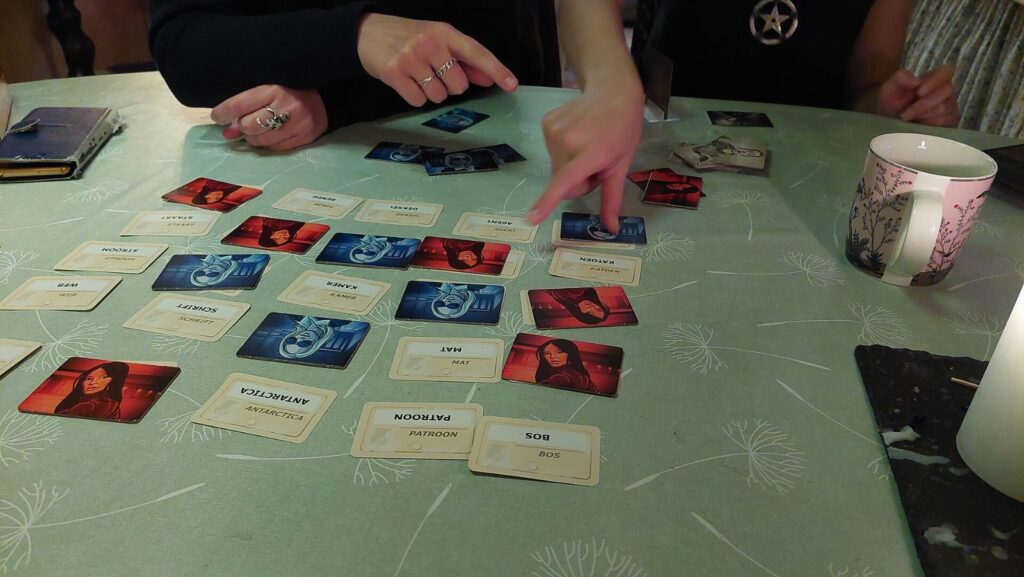
Two teams, a grid of 25 words, and one person on each team who knows which words belong to their side. That person gives a one-word clue and a number (“Ocean, 3”) and their team tries to guess the right words without hitting the other team’s, or worse, the assassin.
It’s a party game, but it has real depth. Giving a clue that links three words without accidentally pointing at the assassin is genuinely hard, and the post-round arguments (“how was ‘Ocean’ supposed to mean ‘Pirate’?!”) are half the fun. Best with six or more, ideally with snacks.


6. Cascadia
Players: 1 to 4 · Time: 30 to 45 minutes · Age: 10+
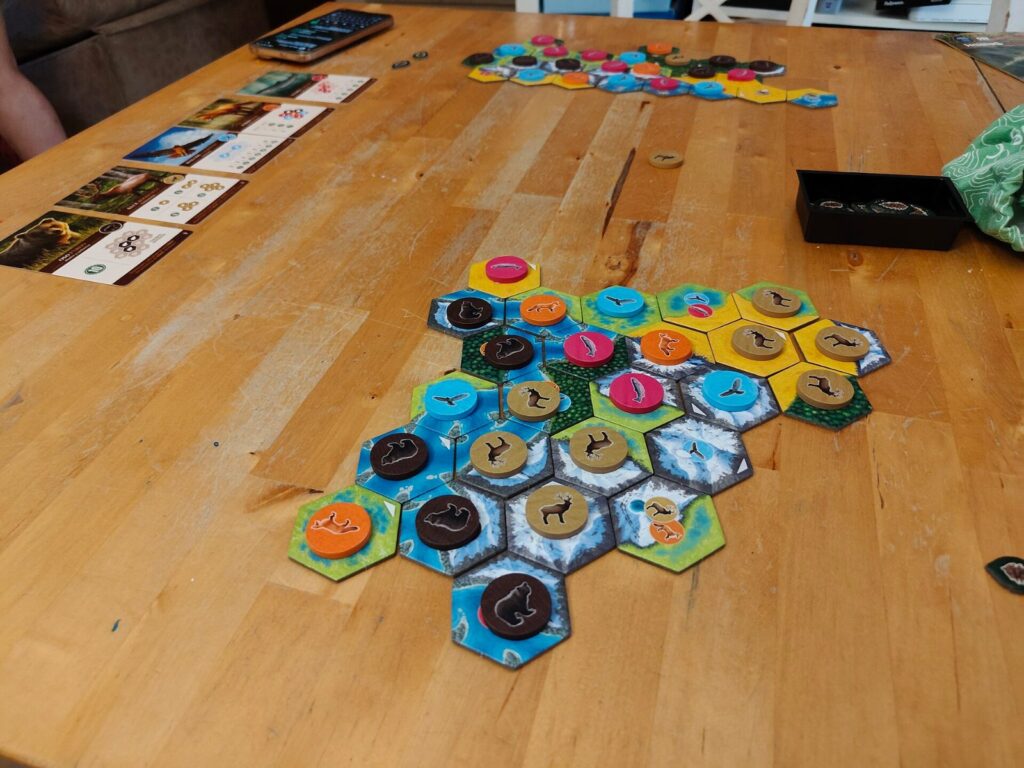

Cascadia is the newest game here (it won the big German Spiel des Jahres award in 2022) and it’s quietly become a modern classic. You build a patch of Pacific Northwest wilderness out of hexagon tiles and place animals on it: bears that like to be in pairs, salmon that want to swim in a line, hawks that prefer to be alone.
Every turn is just “take one tile and one animal, place them”. The thinking is all in how you fit them together. It’s relaxing, there’s almost no direct conflict, and it has a solo mode for the nights when nobody else is around.
7. Splendor
Players: 2 to 4 · Time: 30 minutes · Age: 10+
You’re a Renaissance gem merchant. You collect gem chips, use them to buy development cards, and those cards give you permanent discounts on future purchases. Slowly your little engine snowballs until you can buy the expensive cards almost for free.
Splendor is a great way to show someone what “engine building” means without drowning them in rules. The poker-chip gems are weirdly satisfying to handle, and the game rewards planning a few turns ahead without punishing people who don’t.
8. King of Tokyo
Players: 2 to 6 · Time: 30 minutes · Age: 8+
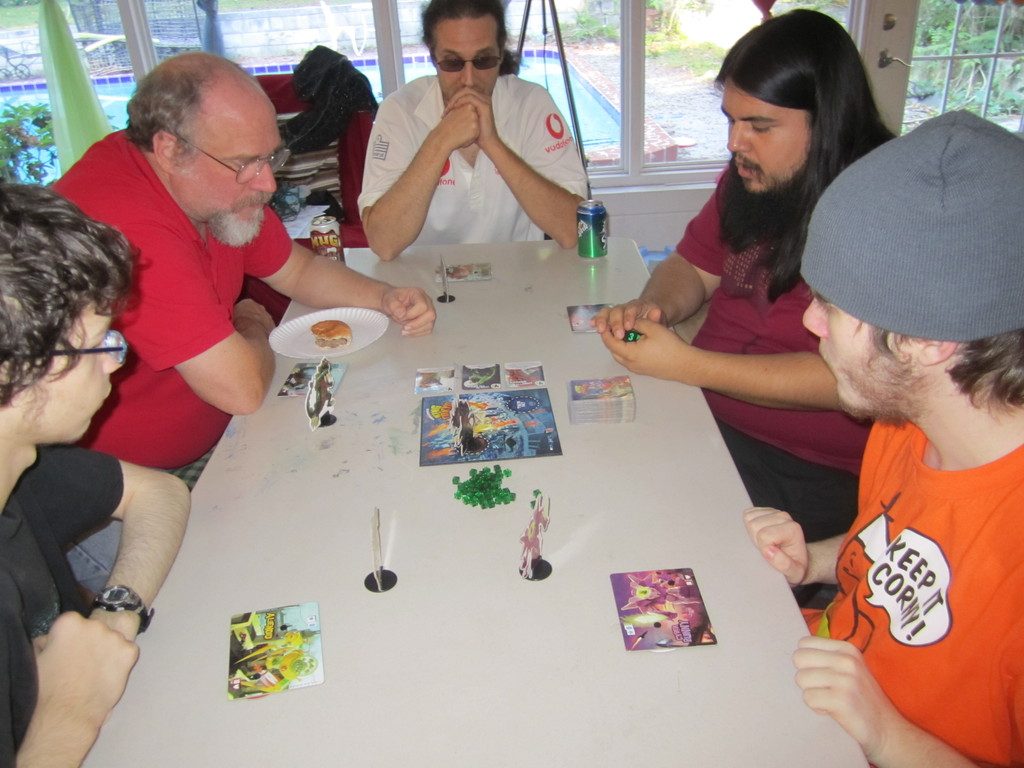

Giant monsters, big chunky dice, and a lot of shouting. You roll dice Yahtzee-style (up to three times) to heal, attack, collect energy or score points, and whoever is “in Tokyo” gets attacked by everyone else. Stay too long and you’ll get flattened. Leave too early and someone else takes the glory.
It’s loud and silly, and it’s the best game here for groups that don’t want to think too hard. It also has player elimination, which normally breaks our own rule, but games are so short that nobody’s out for long.
9. Pandemic
Players: 2 to 4 · Time: 45 minutes · Age: 8+
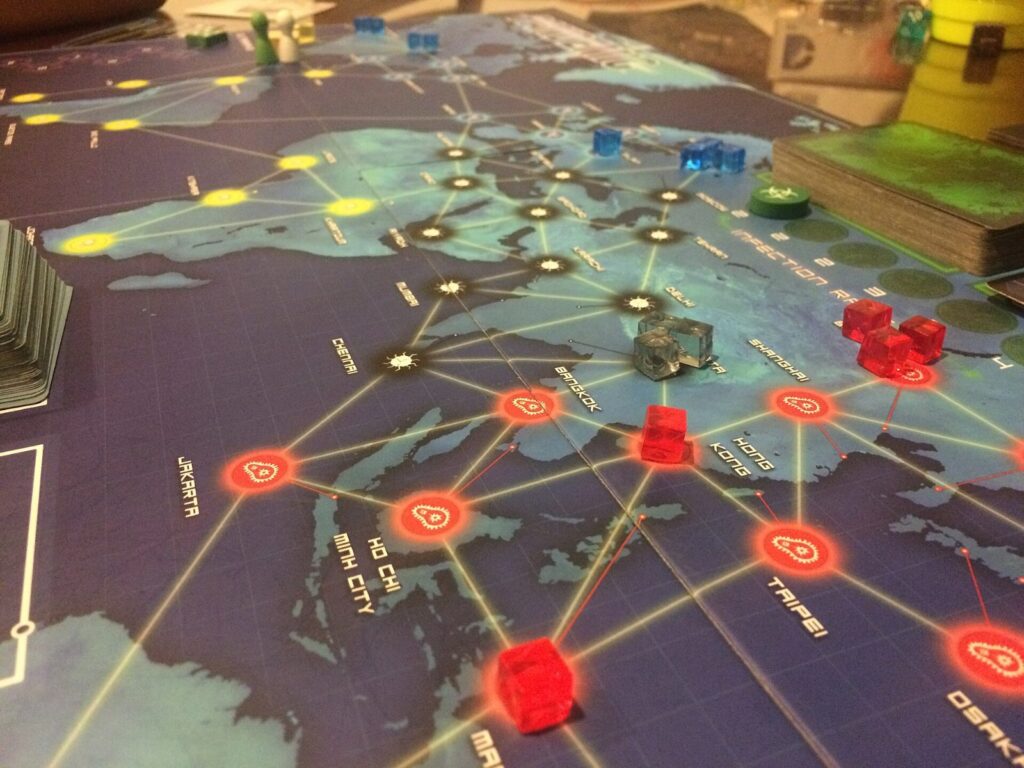

Every game so far has been competitive. Pandemic flips that: everyone plays together against the board, travelling the world to treat outbreaks and find cures for four diseases before things spiral out of control. You win or lose as a team.
Co-op games are perfect for nervous beginners because experienced players can help without it feeling like cheating. One word of warning: keep an eye on the “alpha player” problem, where one person starts telling everyone else what to do. Let each player make their own call, even if it’s not the optimal one. That’s where the stories come from.
10. Dixit
Players: 3 to 8 · Time: 30 minutes · Age: 8+
The storyteller picks one of their beautifully weird illustrated cards and says something about it: a word, a sound, a line from a song. Everyone else secretly picks a card from their own hand that fits the clue, the cards are shuffled, and players try to spot the original.
The scoring has a lovely twist: if everyone guesses your card, you score nothing, so you need clues that are clear to some people but not all. Dixit is a game about how your friends’ brains work, and it’s the one we’d pick for a table full of people who’ve never played anything.
What about Catan?
You might be wondering why Catan, probably the most famous modern board game in the world, isn’t higher up (or on the list at all). Catan is a great game and it deserves its reputation. It’s just not our first pick for a brand-new player. It needs at least three people, a game can run past 90 minutes, and a bad run of dice can leave someone stuck with nothing to do for half the game. Play a couple of the games above first, then bring out Catan. Not sure which of the big classics to start with? A head-to-head comparison is coming soon.
How to teach a board game without losing the room
The game is only half of it. How you explain it matters just as much.
- Start with how you win. “The player with the most points when the trains run out wins.” Everything else makes sense once people know the goal.
- Explain a turn, then play. Leave the edge cases for when they come up. Nobody remembers rule 14 before they’ve taken a turn.
- Play the first round open. Let everyone show their cards and talk through options. You’ll teach more in one open round than in ten minutes of explaining.
- Don’t crush them. If you’re the experienced one, play to have fun, not to prove a point. The goal tonight is a second game night.
Frequently asked questions
What is the easiest board game to learn?
Kingdomino and Ticket to Ride are the two we’d pick. Kingdomino can be explained in about two minutes, and Ticket to Ride in five. Both feel like “real” games rather than kids’ games.
What’s a good board game for two people?
Azul, Carcassonne, Kingdomino and Splendor all play well with two. A full list of the best games built for two players is on the way.
What is a good board game for a big group?
Codenames and Dixit are the best on this list for six or more players. We’ll cover games for even bigger groups in a separate list soon.
Are these games available in Greek?
Many of the classics on this list have Greek editions, which makes a big difference for family game nights. We’re putting together a full list, coming soon.
Where to go from here
Pick one game from this list that matches your group: Ticket to Ride if you want a safe bet, Codenames if your friends like to talk, Pandemic if competition makes anyone nervous. Play it a few times, and you’ll find out very quickly what kind of games your group loves. Then come back and tell us which one converted your “I’m not a board game person” friend.
And if you’ve caught the bug and want to try something with dragons in it, our How to Play D&D: A Complete Beginner’s Guide is the next step.